Kraka Jet Board: A Force Multiplier for Police, Fire, and Water Rescue Teams
Seconds matter when deploying maritime assets and personnel for water rescue and recovery operations – what platform does your team use?
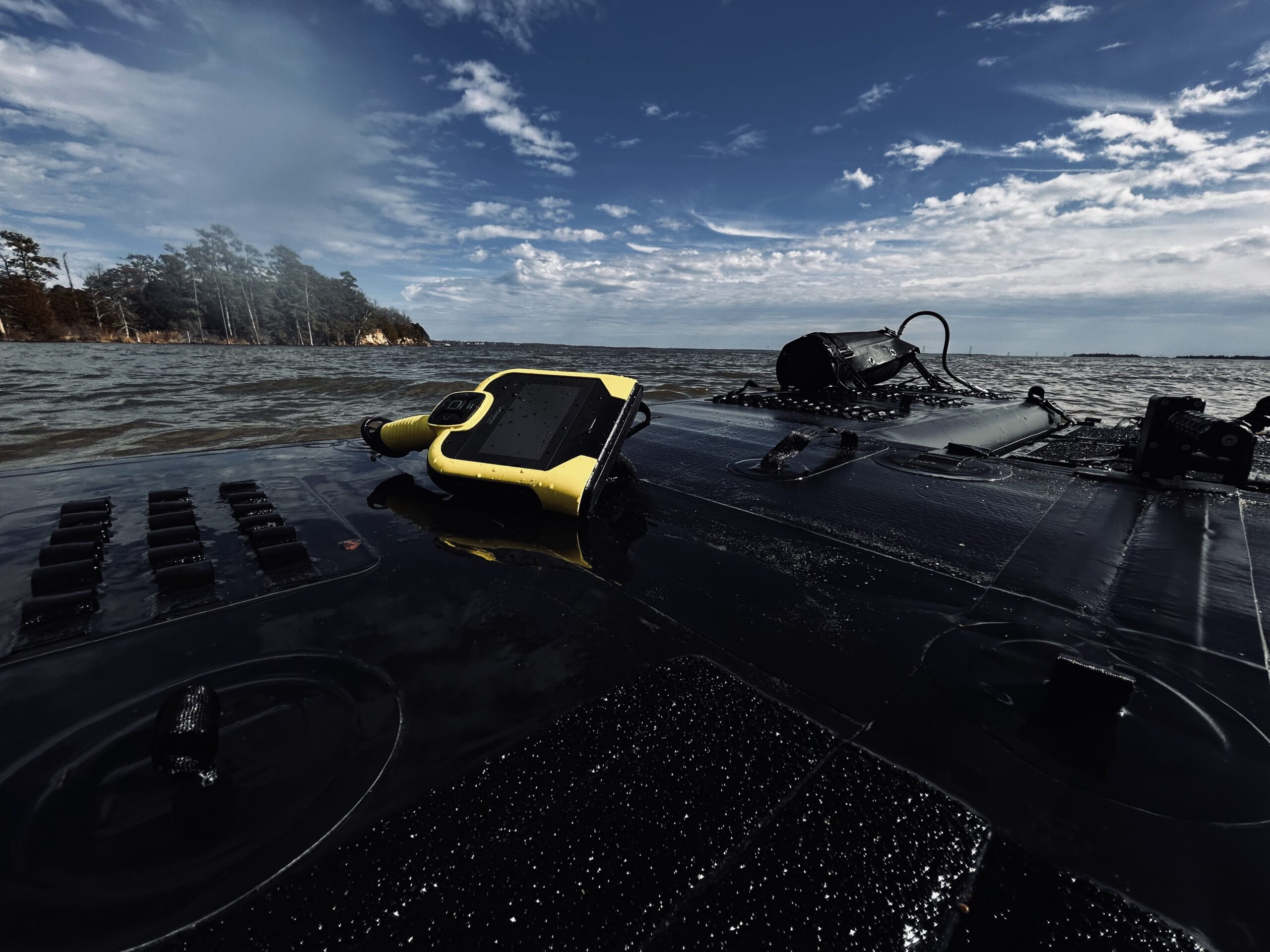
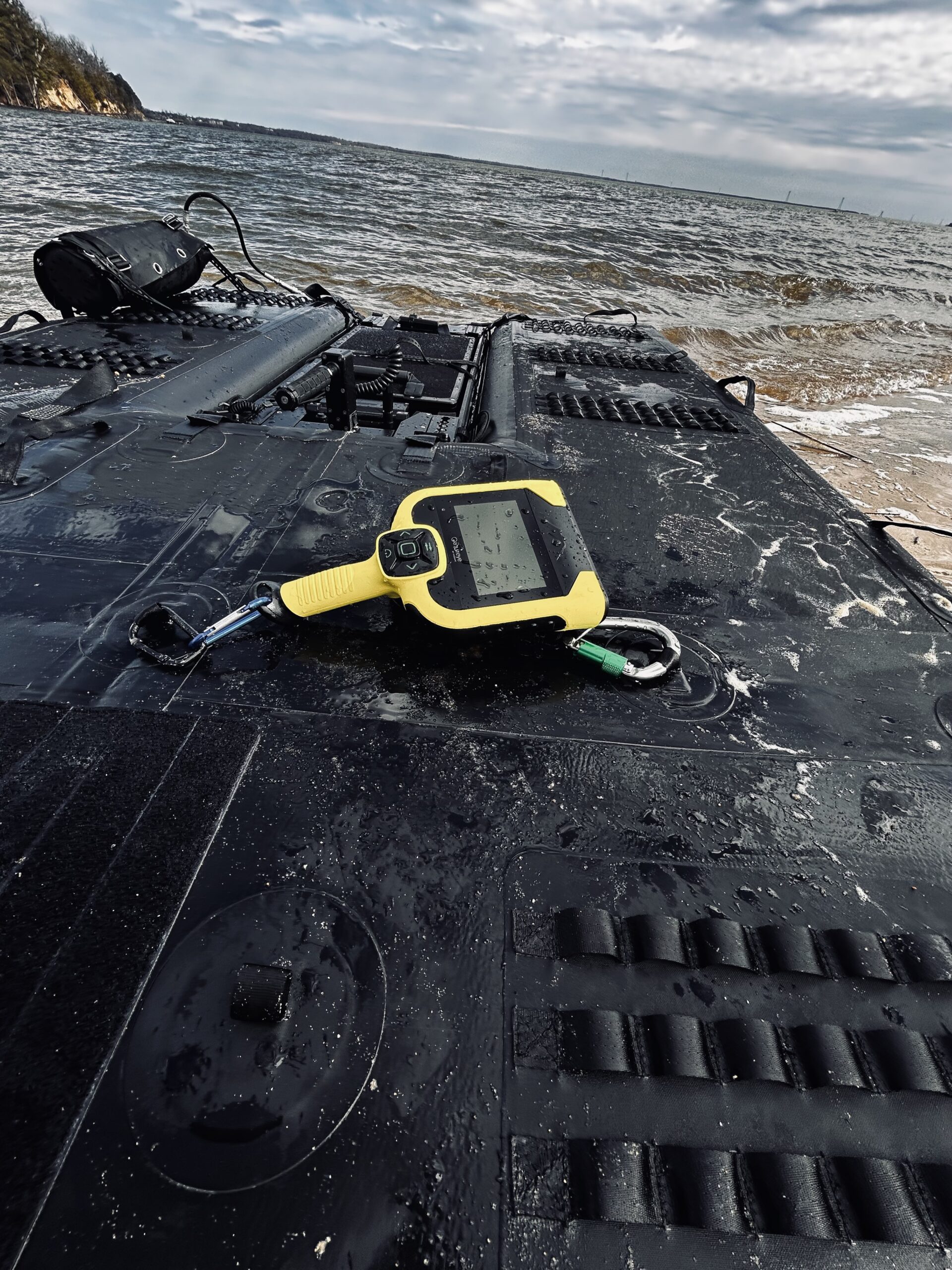
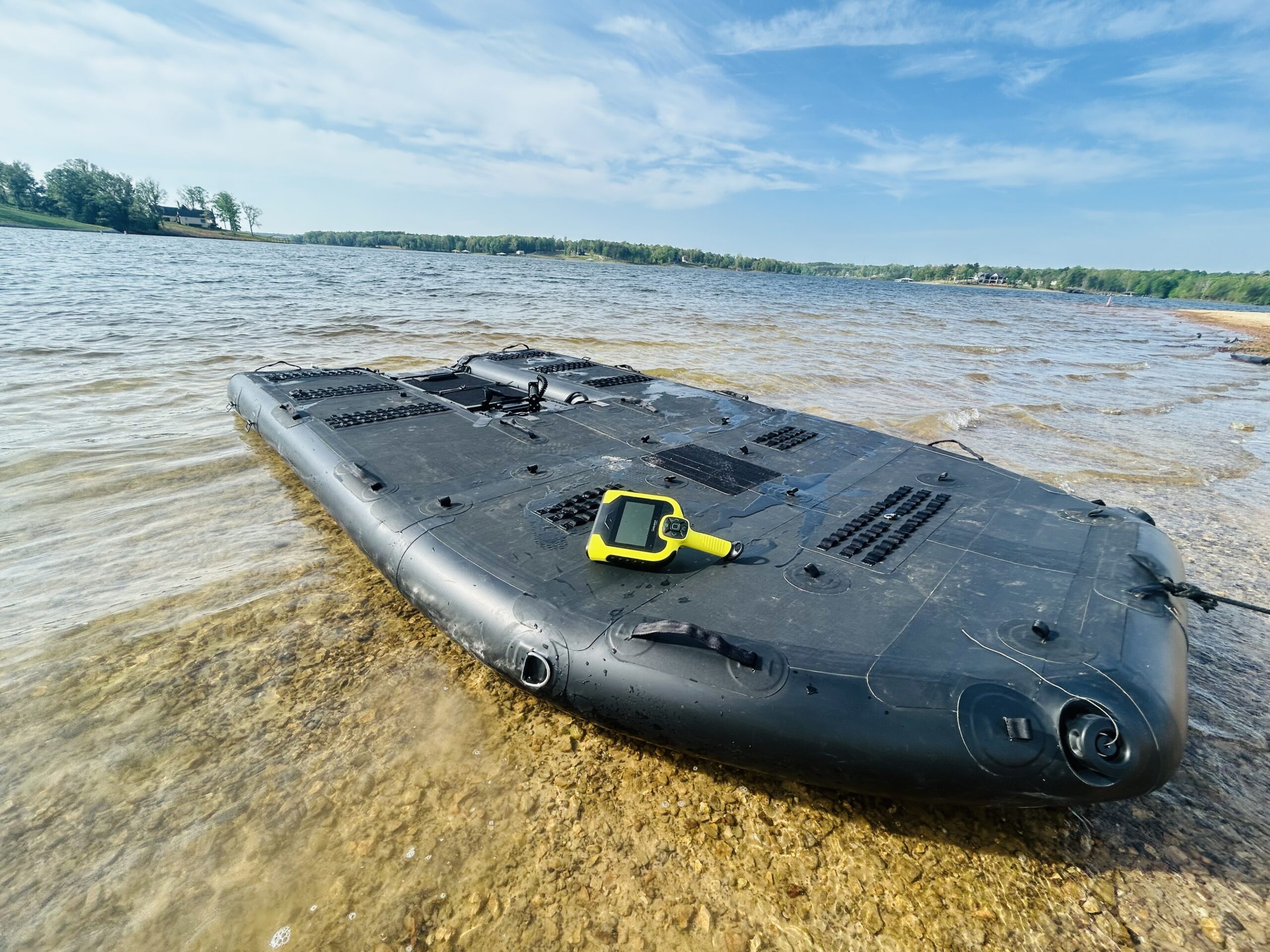
After working on and under the water for the last 35+ years, our team is keenly aware that when emergencies unfold on the water, every second counts. Traditional rescue boats remain an essential part of public safety operations, but they are not always the fastest, most practical, or most effective solution in shallow water, flooded urban environments, debris-filled waterways, or rapidly changing disaster scenes. The Kraka Rescue Jet Board is changing the way police, fire, and rescue agencies approach these challenges by providing a highly mobile platform that bridges the gap between shore-based operations and conventional rescue boats.
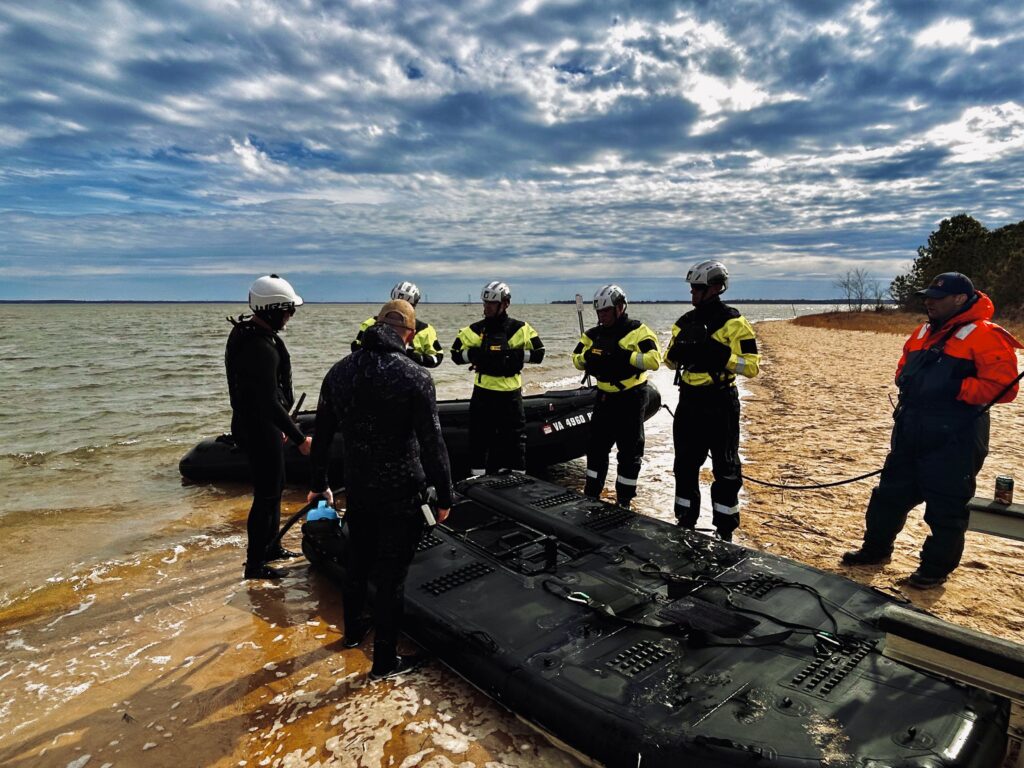
Meeting the Challenges of Modern Water Rescue
Public safety agencies face a growing range of maritime and flood-related incidents. Urban flooding, swift water events, hurricane response, missing person searches, dive team deployments, and law enforcement patrols often occur in environments where traditional watercraft struggle to operate efficiently. The Kraka Jet Board was specifically designed to provide rapid access where conventional assets cannot easily reach, allowing responders to deploy faster and with fewer personnel.
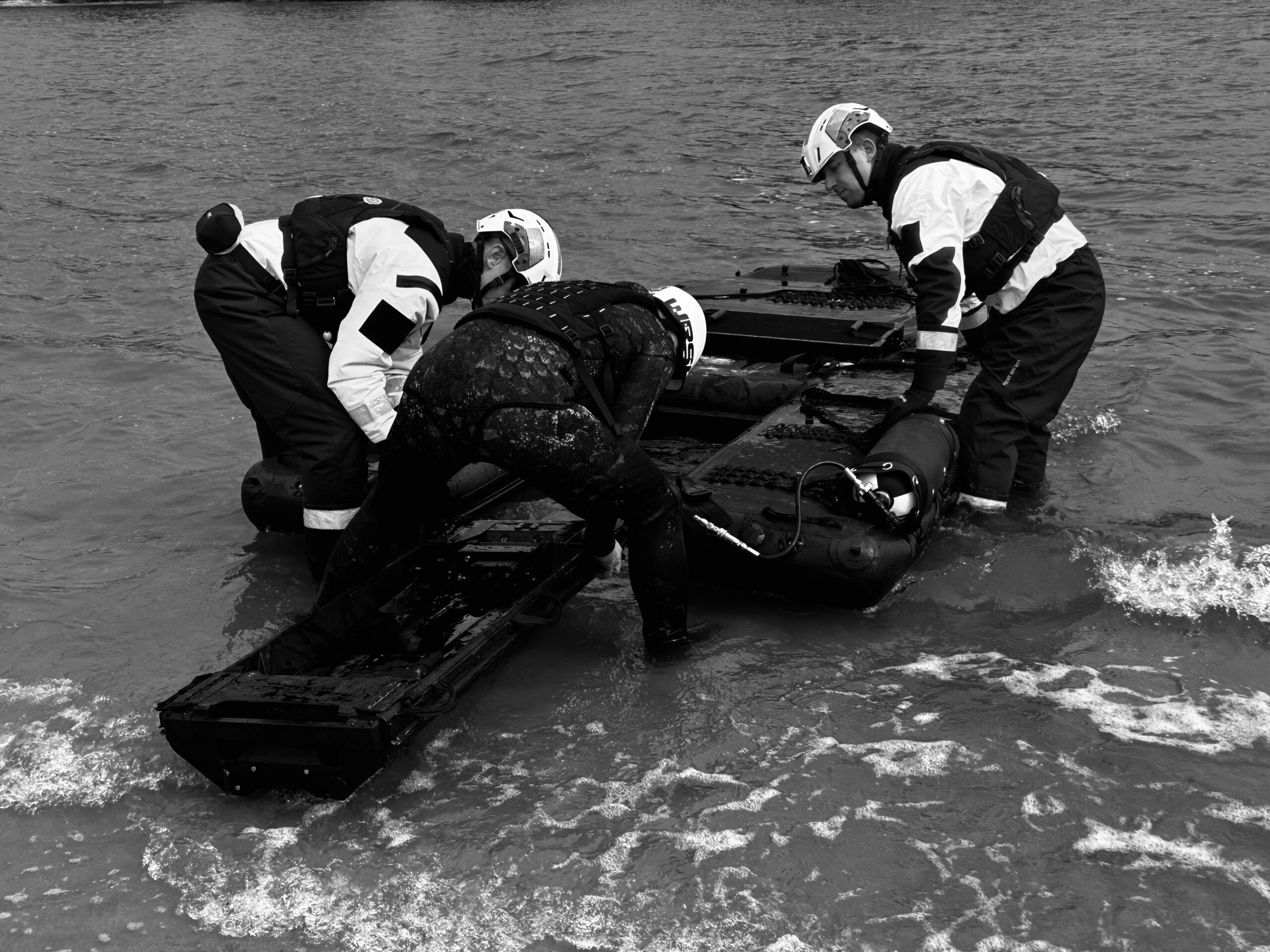
Unlike many rescue boats that require trailers, launch ramps, significant manpower, or sufficient water depth, the Kraka Jet Board offers an agile platform that can be transported quickly and launched from locations that would be inaccessible to larger vessels. This advantage can dramatically reduce response times during life-threatening emergencies.
One Platform, Multiple Missions
One of the most compelling advantages of the Kraka Jet Board is its mission versatility. Rather than serving a single purpose, it supports a broad spectrum of public safety operations. From disaster response and urban flooding, swift water and flood rescue, victim extraction, dive team support, diver towing, law enforcement and security patrol operations, sonar and ROV missions, shallow water surveys, rapid reconnaissance, and K9 deployments are all easily and safely accomplished using the Kraka Jet Board.
This flexibility allows agencies to maximize the value of a single asset across multiple departments and operational requirements.
Fire and Rescue Missions
For fire departments and technical rescue teams, the Kraka Jet Board can support:
- Swift water rescue operations
- Flood victim evacuation
- Urban flooding response
- Rapid victim extraction
- Access to isolated victims
- Search and rescue support in debris-filled areas
- Dive team transportation and diver tow operations
Because the platform can operate where larger boats may be hindered by shallow water or obstacles, rescuers can reach stranded victims faster and with less logistical complexity.
Law Enforcement Missions
Police and public safety agencies can leverage the Kraka for:
- Waterway patrols
- Security operations around critical infrastructure
- Boarding and interdiction support
- Rapid reconnaissance missions
- Missing person searches
- K9 transport and deployment
- Sonar and ROV support missions
Its speed and maneuverability enable officers to respond rapidly in environments where conventional patrol boats may be slower to deploy or unable to operate.
What Separates Kraka from Traditional Rescue Boats?
While conventional rescue boats remain important assets, the Kraka Jet Board offers several operational advantages that make it unique.
Access to Difficult Environments
Traditional boats require adequate water depth and a suitable launch area. During floods, responders often encounter submerged vehicles, fences, debris fields, drainage systems, and narrow access routes that make boat operations difficult. The Kraka platform was designed specifically to reach areas where flooded streets, debris, moving water, and limited access prevent effective boat deployment.
Faster Deployment
In many emergency situations, the largest delay is not travel time but launch time. Conventional rescue boats often require trailers, ramps, and multiple personnel. The Kraka concept focuses on rapid deployment with fewer personnel, enabling agencies to begin operations immediately upon arrival.
Shallow Water Capability
Many rescue incidents occur in water that is too shallow for traditional hull-based craft. Flooded neighborhoods, drainage channels, marshes, and backwater areas are common examples. The Kraka provides responders with a platform capable of operating in environments that challenge conventional boats in as little as 12 inches of water.
Exceptional Payload Capacity
The Kraka product line includes multiple configurations ranging from the MIL 250 with a 550-pound payload capacity to the MIL 1000 capable of carrying up to 2,204 pounds. This allows agencies to select a platform that fits their operational requirements, from single-rescuer missions to equipment-heavy deployments involving sonar systems, dive gear, medical equipment, or multiple victims.
Reduced Operational Footprint
Large rescue vessels often require significant support infrastructure. The Kraka offers a smaller, more agile operational footprint, allowing departments to conduct missions with less equipment, fewer personnel, and reduced deployment complexity while maintaining effective response capability. When packaged, the entire boat can fit in the trunk of a car or storage box on a firetruck!
Expanding Public Safety Capabilities
The future of public safety requires agencies to be adaptable. Weather events are increasing in frequency and severity, and communities expect emergency responders to operate effectively in environments that were once considered inaccessible. The Kraka Jet Board provides police, fire, rescue, and emergency management organizations with a versatile solution that enhances mobility, expands operational reach, and accelerates response times.
Whether supporting a flood rescue, transporting a dive team, conducting law enforcement patrols, deploying sonar equipment, or performing rapid reconnaissance after a disaster, the Kraka enables agencies to do more with fewer limitations. Its ability to bridge the gap between shore operations and traditional rescue boats makes it a valuable force multiplier for modern public safety organizations.
Conclusion
The Kraka Rescue Jet Board is not intended to replace traditional rescue boats. Instead, it complements them by filling critical operational gaps. When access is limited, water is shallow, debris blocks navigation, or time is of the essence, the Kraka provides responders with a fast, highly capable platform that delivers reach, flexibility, and mission effectiveness.
For police, fire, and rescue agencies looking to improve water response capabilities, the Kraka represents a new generation of public safety technology built for today’s most demanding rescue and maritime missions. Find out why the best maritime special operations teams in the world use the Kraka Jet Board – Contact CCG Rescue for more information.